Work Zone Safety
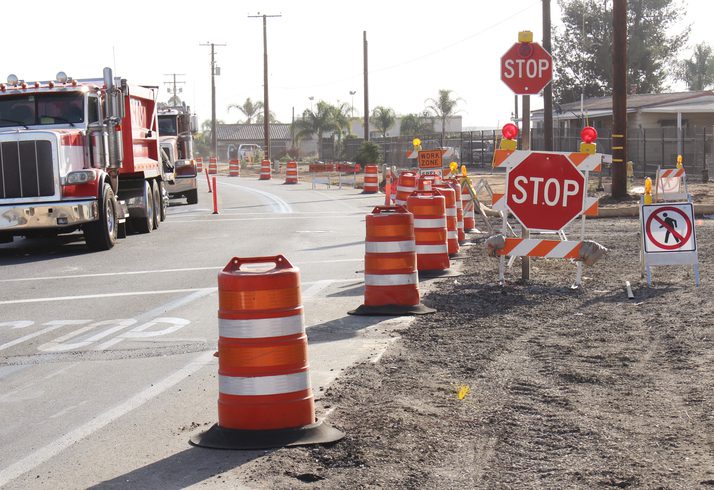
Summer always brings increased road work as most municipalities take advantage of the weather and reduced commuting traffic to maintain and upgrade our Nation’s roadways. Once complete, we will likely appreciate the extra lanes or more comfortable ride the road work provides. However, during the road work, the changes to traffic patterns, narrowed lanes, barricades, slowing traffic, slow and merging trucks, and other construction can create dangerous circumstances that can lead to traffic accidents and fatalities.
NHTSA Work Zone Accident Statistics
In 2020, the
National Highway Traffic Safety Administration reported over 100,000 work zone accidents that resulted in over 44,000 injuries and 857 fatalities. Driver distraction was a large factor with 20% of work zone crashes resulting in rear-end collisions. Not surprisingly, speeding was a factor 37% of the time and 27% of the accidents involved a commercial vehicle.
Safety Tips for the Driver
- Eliminate Distractions – Distracted driving is dangerous and sometimes illegal. Don’t use your cellphone unless it is hands free, but certainly wait to make the call until the roads are clear. While in a work zone, be sure to avoid other distractions such as looking at the navigation, changing the radio, and eating.
- Remain Alert – Avoid drowsy driving and take a break or have a cup of coffee if necessary.
- Pay Attention to the Road – Read and follow all road signs and watch for brake lights on vehicles ahead. Also keep an eye on the vehicles around you and be ready to react to their driving. Be aware that work vehicles, workers, or work equipment may enter your lane without warning.
- Merge into the Proper Lane – merge before you reach the lane closure and recognize that lane adjustments can happen daily. Also, change lanes only where the pavement markings indicate and only when traffic conditions permit.
- Follow Instructions – If there are flaggers, be sure to follow their instruction and be respectful of their directions.
- Obey Speed Limit – Often speed limits are reduced significantly in work zones, especially when there are lane reductions, shifting, and narrowing. Further, fines for moving violations are often doubled in work zones. Be prepared to slow down depending on driving conditions.
- Be prepared – Check traffic on the radio or online to better anticipate current road conditions. Be prepared for delays by leaving early or by planning an alternate route.
Contact Queen Yasmine Injury Law
These tips should help keep you safe in work zones, but if you or a loved one are injured in an accident, you should hire an experienced accident lawyer at Queen Yasmine Injury Law to help you understand your rights to compensation for your injuries.
At Queen Yasmine Injury Law, we fight aggressively and passionately to help ensure the best results for you and your family. Attorney Yasmine Djawadian has recovered over $45 million for injured clients and is available 24/7 to recover on your behalf, as well. You won’t face any legal fees unless you win your case, so go ahead and call our firm today or
contact us online to schedule your free consultation.
What to Do If You Are Injured by a Distracted Driver

Distracted driving can easily lead to an accident. The number of fatalities and injuries caused by these types of accidents is climbing each year. More than 350,000 injuries occur annually from distracted driving accidents. April is distracted driving awareness month promoted by the National Highway Traffic Safety Administration to bring national awareness to the issue and to get citizens involved to reduce distracted driving and the resulting accidents.
Distracted driving refers to using your phone while driving but it can also be caused by any event that takes your eyes away from the road, even if it is only for a second. If you, or someone you know, has been injured by distracted driving, follow these tips for what to do.
Notify Authorities
The first thing on your mind when getting injured by a distracted driver is to have any emergency needs taken care of. If injuries occurred, someone at the scene needs to dial 911. This will bring EMS care and police officers to the scene.
Injuries should always be treated right away. If you suspect or are concerned about a potential injury, do not decline care at the scene.
Share Information
Everyone involved at the scene should exchange information. This includes names, contact information, automobile information, and insurance details. If there are witnesses nearby, it’s a good idea to get their names and contact details as well.
This could come in handy later if there is a case involved but also for claims processing for injuries and damages.
Document the Scene
You would be surprised how often people forget important details from an accident or even twist the details based on their emotions.
If you are able to do so, try to document the scene right away. Write down what you remember of the accident and as detailed as possible. Take the time to take some photos of the scene as well. This means photos of the vehicles, the damages, injuries, debris, and any other visual aid that might be helpful later when the scene isn’t fresh in your mind.
Contact Queen Yasmine Personal Injury Law
Finally, if you or a loved one were injured by a distracter driver, you should hire an experienced accident lawyer at Queen Yasmine Personal Injury Law to help you understand your rights to compensation for your injuries.
At Queen Yasmine Personal Injury Law, we fight aggressively and passionately to help ensure the best results for you and your family. Attorney Yasmine Djawadian has recovered over $45 million for injured clients and is available 24/7 to recover on your behalf, as well. You won’t face any legal fees unless you win your case, so go ahead and call our firm today or contact us online to schedule your free consultation.
Distracted Driving Awareness Month

April is distracted driving awareness month in the United States. Did you know that each year, approximately 3,000-5,000 fatalities result from distracted driving? And it’s not just the fatalities that significantly add up — distracted driving results in over 350,000 injuries each year.
Distracted driving awareness month is designed to help bring national awareness to the devastating effects caused by distracted drivers and to get citizens involved in making our roadways safer.
What is Distracted Driving?
The definition of distracted driving is any scenario that distracts the driver’s attention away from the act of driving. The National Highway Traffic Safety Administration identifies three different types of distraction that can occur while driving:
- Visual — Taking your eyes off the road
- Manual — Taking your hands off the wheel
- Cognitive — Taking your mind off driving
For example, texting while driving combines all three distractions outlined above. While texting is one of the most common distractions, there are many other ways to be distracted while driving.
This could be anything like eating, talking to someone in the car, assisting children in the back seat, using navigation, putting on makeup, or even just adjusting the radio.
Little things don’t feel like a distraction but can have awful consequences if you’re not cautious.
Not Worth the Risk
The truth of the matter is that a simple text might take your eyes off the road for as little as a few seconds – but a lot can happen in those few seconds. At 60 miles per hour, your car travels 88 feet per second. That means you would travel an entire football field in just over three seconds. While in your mind you think that you just barely glanced down, you can travel a significant distance at any speed.
And that’s just texting. When you’re putting on your mascara or eating a taco while driving down the road, you are putting yourself and everyone around you at risk.
Getting Involved
There are many ways to take a stand and proactively work to discourage distracted driving. Here are some examples.
- Parents can set a good example for their children by following the rules. Talk to your young and future drivers about the dangers of driving while distracted and be sure to enforce these rules when they are driving.
- Teachers, bosses, and other parties can all have policies and be open about the importance of responsible driving and avoiding distractions.
- Teens can choose to be proactive and responsible by speaking up. They can make the decision not to drive distracted and stick to it.
Pledge to Drive Safely
The National Highway Traffic Safety Administration encourages drivers to take a pledge to drive safely.
The NHTSA pledge asks you to make the commitment to drive phone-free:
- Protect lives by never texting or talking on the phone while driving.
- Be a good passenger and speak out if the driver in m car is distracted.
- Encourage my friends and family to drive phone-free.
Anyone can participate in the pledge. Take a stand for driving safely.
Contact Queen Yasmine Personal Injury Law
If you or a loved one have been injured in an
accident, you can count on an experienced personal injury lawyer at Queen Yasmine Personal Injury Law to help you understand your rights to compensation for your injuries.
At Queen Yasmine Personal Injury Law, we fight aggressively and passionately to help ensure the best results for you and your family. Attorney Yasmine Djawadian has recovered over $45 million for injured clients and is available 24/7 to recover on your behalf, as well. You won’t face any legal fees unless you win your case, so go ahead and call our firm today or
contact us online to schedule your free consultation.
Nine Tips for Dealing with Other Driver’s Insurance

A car accident can be a scary experience. Once it is over, you will need to call your insurance company to get things in line. Many drivers are unprepared for the next step - the other person’s insurance company will contact you. It is important to be prepared for this call so that they do not trick you into reducing the value of your case or admitting fault.
If you have hired a lawyer, you can ask the insurance representative to contact your lawyer and you can likely avoid this often awkward phone call. Talk to the experienced personal injury team at Queen Yasmine Personal Injury Law to help you manage your case.
Read on to learn about nine tips that can help you deal with the other insurance company. It can be overwhelming, but it’s better to be prepared and know what to expect.
Never Admit Fault
Never admit fault or say that you are sorry. The insurance company’s adjuster is looking for words that indicate fault or an admission of negligence in order to reduce the value of your claim. Don’t say anything that would suggest you were the cause of the accident or that you have remorse for your actions.
Prepare to Write Down Everything Said
If possible, you should jot down every detail in writing during the call. If you cannot write during the call, get to pen and paper afterward and take down everything you remember. Having your record of what happened can keep you from getting tricked by an insurance company. Have proof of the actions you took and the words you said.
Do Not Allow Recording of Your Statement
You should never permit the insurance company to record your statement. There is a high chance that they will try to use your own words against you. The insurance contact should ask, but ensure that they do not record you by clearly asking them not to do so. Avoiding such a recording will help if you mess up your words or recollect details incorrectly.
Ask Who Is Speaking
Know who you are speaking to so you can work with that information later if an issue arises. There are a few things you should ask them and take down on the phone.
You might ask this individual for:
- Their full name and title
- The name of the insurance company
- Their contact information
- The name of the driver they are calling for
Once you have this information, you can better track your case and have a way to report them if something goes wrong.
Don’t Offer Personal Info
Insurance companies do not need to know all your personal information. There are only a few items that you should give them if they call.
You can share:
- Your name
- Your address
- Your phone number
- Your driver’s license
You should not give them your employment status or any personal information beyond that. If they push for more, kindly inform them that you do not need to provide these items. This action will prevent anything from being used against you.
Stick With Basic Details
When describing the car crash, stick to the basic details. Do not go into more depth than necessary, as more information may lead to your words being used against you.
You can tell them about:
- Time and Date
- Location of the accident
- Types of vehicles
- Witness contact information
If they push more, inform them that is all you can share and that the case is pending.
Don’t Discuss Injuries
If asked how you’re feeling, decline to comment. Don’t express that you’re feeling fine or that you’re better than before. Further, don’t comment about your injuries or share any details – especially before you’ve had a full diagnosis from a medical professional, as your diagnosis may be worse than initially perceived.
Don’t Accept Settlement Offer
The initial offer is rarely enough to cover your damages. If they offer you an amount right away, do not take it. By holding out, you can increase the chances that you will get all of your injuries and damages covered. Car and medical repairs can be costly. Do not get scammed into taking less than you deserve by agreeing to an offer over the phone.
Stay Calm
Lastly, remember to stay calm. These callers are people just as much as you are. Avoiding losing your cool and keep everything cordial for this short call. Being aware of what to expect and using the tips above will help you stay calm and collected, which should help your outcome.
Count on Queen Yasmine Personal Injury Law
Dealing with an insurance adjuster is challenging and you don’t want to make any mistakes that could jeopardize your claim. Talk to an
experienced personal injury lawyer at Queen Yasmine Personal Injury Law to help you determine the best legal strategy for your case. Then? When the adjuster calls, you can tell them to call your lawyer. We fight aggressively and passionately to help ensure the best results for you and your family. Attorney Yasmine Djawadian has recovered over $45 million for injured clients and is available 24/7 to recover on your behalf, as well. You won’t face any legal fees unless you win your case, so go ahead and call our firm today or contact us online to schedule your free consultation.

Southern California, specifically San Diego weather rarely seems like winter with peak winter temperature lows averaging a balmy 50°F. Snow and sleet are so rare, we hardly worry about slippery road conditions caused by winter weather. Nonetheless, if you’re headed to the mountains for a ski trip or we get the occasional rain storm - we've compiled a list of winter driving guidelines for all California motorists.
Look Out For Slick Roads
Wet and slick roads can result from even mild winter weather. While ice is the most visible cause of slick roads, the moisture caused by both fresh and melting snow also contributes to their slickness. Braking becomes more difficult when the roadways are wet and slick. In fact, stopping a car on a wet or slick road might take up to ten times longer. As such, leave plenty of room to brake safely and always be aware of your options should an emergency arise.
Beware of Low Visibility
A small snowstorm, sleet storm, or sheet of freezing rain can restrict your visibility in the same way as torrential rains do. You have less time to react to traffic hazards when you can't see them clearly.
Even when it isn't snowing, winter can impair visibility. It's winter, which means it's colder outside your automobile than inside. The air inside the automobile warms up when the heating is turned on (or even when you breathe normally). A foggy windshield can be caused by a temperature difference between the inside and outside. It's even more difficult to see the road through a foggy windshield.
In addition, because winter days are shorter, nighttime begins much earlier. This means more night driving, which limits visibility even further.
Be Cautious of Human Error
While the winter weather is problematic, humans contribute to the risk in a variety of ways. Many folks are simply unprepared to drive in the cold. Worse, some folks who have never understood the fundamentals of winter driving presume they do. This assumption can lead to harmful driver error and automobile wrecks.
Some people, on the other hand, fear driving in snowy circumstances. As a result, some individuals overcorrect by driving excessively slowly. Though they may have excellent intentions, overly cautious techniques like these put others in danger.
Tips to Remember
Drive At The Right Speed
On slick roads, you can easily hydroplane or slide if you drive too fast. To avoid this, the federal government advises drivers to reduce their speed by 1/3 the posted speed limit on wet roads and by 1/2 or more in snowy conditions. By example, if the posted limit is 30 mph, drivers should restrict their speed to 20 mph on wet roads and 15 mph in the snow. Slowing down can assist you in navigating the dangers safely.
Take It Easy
When you need to accelerate on a slick or snowy road, do so carefully to avoid spinning your wheels. Gently press down on the gas pedal to maintain constant traction with the road until you achieve your desired speed.
Use Your Brakes Correctly
It's not a good idea to slam on the brakes on a slick road, even with anti-lock braking technology. When you come to an abrupt stop on a slick surface, your automobile may spin out of control.
Instead of slamming on the brakes, gently pump them to assist you in properly stopping—constantly checking to confirm that your wheels have continuous traction as you slow down. Anti-lock braking generally works on wet and dry surfaces but may be less effective on snow and ice. If your automobile has anti-lock brakes, instead of pumping your brakes, you may need to maintain firm pressure. Be sure to confer with your owner's manual for the safest way to brake.
Replace Windshield Wipers Annually
Functional windshield wipers are a critical to allow maximum visibility during snow or rain. Wipers are made of rubber, which is degradable and becomes less effective over time. You should check your wipers regularly and replace them if you notice any damage or excessive wear.
Count on YD Injury Law
If you or a loved one has sustained an injury in a crash this winter, contact an experienced car accident lawyer at YD Injury Law to determine the best legal strategy for your case. We fight aggressively and passionately to help ensure the best results for you and your family. Attorney Yasmine Djawadian has recovered over $45 million for injured clients and is available 24/7 to recover on your behalf, as well. You won’t face any legal fees unless you win your case, so go ahead and call our firm today or contact us online to schedule your free consultation.